

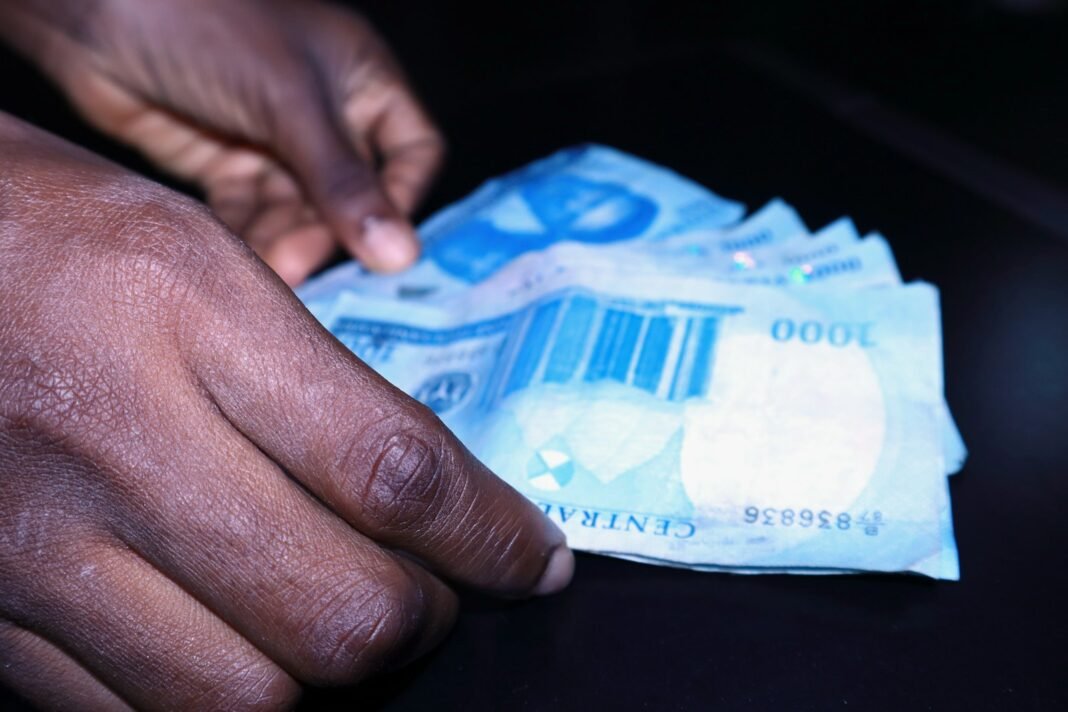
“Money is the root of all evil.” “Rich people are ritualists.” “When I blow, I go settle everybody.” Many of us grew up hearing lines like these at home, in church or mosque, and in Nollywood films. Without realising it, they shaped how we earn, spend and save. If you keep ending up broke no matter what you earn, it may be time to look at the beliefs behind your money habits.
Your money mindset is the set of beliefs and attitudes you hold about earning, spending, saving, debt and wealth. These beliefs often form in childhood and quietly drive your financial decisions. Spotting unhelpful beliefs, questioning them and backing new beliefs with small, practical habits can improve both your money behaviour and your peace of mind.
Key takeaways
- Money beliefs often come from family, culture, faith communities and early experiences.
- Awareness is the first step: write your beliefs down and question them.
- Mindset works best alongside skills such as budgeting, saving and avoiding debt.
- Be wary of anyone selling “mindset” as a shortcut to guaranteed wealth.
Where money beliefs come from
Financial psychologists Brad Klontz and colleagues describe “money scripts”: often unconscious beliefs about money, developed in childhood, that are linked to financial behaviour in adulthood. Someone who grew up with scarcity might hoard every naira, or might spend fast because “money doesn’t stay anyway”. Someone who heard “money is the root of all evil” may feel guilty about earning well, or about asking for a raise.
Scarcity itself also affects thinking. Economist Sendhil Mullainathan and psychologist Eldar Shafir argue that when money is very tight, it takes up mental “bandwidth”, making it harder to plan ahead. That’s not a character flaw. It’s a predictable response to pressure, and it’s why simple systems such as automatic savings help so much.
A Nigerian example
Picture Kemi, a marketing officer in Abeokuta. Her parents always said, “We don’t discuss money in this house,” and she watched relatives spend big at owambes while struggling privately. As an adult, she earns a decent salary but avoids checking her balance, buys aso-ebi for every event and feels anxious whenever someone mentions savings. Her problem isn’t income. It’s a set of beliefs (“money talk is rude”, “I must look successful”) that she has never examined.
7 limiting money beliefs (and healthier alternatives)
1. “I’ll start saving when I earn more.”
Reframe: saving is a habit, not an income level. Start with a small amount now and increase it as you earn more. See how to create a budget.
2. “Rich people are greedy or corrupt.”
Reframe: some are, and many are not. If you believe wealth is bad, you may quietly hold yourself back from earning well through honest work.
3. “Money will solve all my problems.”
Reframe: money solves money problems and reduces stress, but it doesn’t automatically bring purpose, health or good relationships.
4. “I’m just bad with money.”
Reframe: financial skills can be learned like any other skill. A growth mindset applies to money too.
5. “I need to look successful.”
Reframe: pressure to display wealth through clothes, cars, phones and owambe spending keeps many people broke. Real wealth is often invisible: savings, investments, freedom and peace. Our guide to comparison culture explores this.
6. “I need to get rich quickly.”
Reframe: get-rich-quick thinking makes people vulnerable to Ponzi schemes, fake “investment” platforms and forex or crypto “gurus”. Sustainable wealth usually comes from steady earning, saving and investing over time. Our guide to avoiding online scams lists the warning signs.
7. “Talking about money is rude.”
Reframe: honest money conversations with partners, family and mentors prevent conflict and help you learn. Silence about money is often how debts and bad decisions grow.
How to build a healthier money mindset
- Write your money story. What did you see and hear about money growing up? Who handled it, and how did they feel about it?
- Name your beliefs. Complete the sentence “Money is…” ten times without overthinking.
- Challenge them. For each belief, ask: is this true? Is it helping me? Where did I learn it?
- Take small actions. Behaviour reinforces belief. Open a separate savings account, track one month of spending, or set a family-support budget using our black tax guide.
- Learn the basics. Understand budgeting, inflation, interest, risk and how to check whether a platform is licensed by the CBN or registered with the SEC.
- Choose your influences. Follow credible financial educators, not flashy “money gurus” promising unrealistic returns.
Try this this week
Finish the sentence “Money is…” ten times, as quickly as you can, without overthinking. Look at your list and circle any belief that might be holding you back. Rewrite one of them into a healthier version and put it somewhere you’ll see it every day.
Frequently asked questions
Can changing my mindset make me rich?
Mindset can improve your decisions and consistency, but income, skills, opportunity and economic conditions matter too. Be sceptical of anyone who claims mindset alone creates wealth, especially if they are selling a course or an investment.
What is a scarcity mindset?
A scarcity mindset is a focus on what you lack, which can push you towards short-term decisions. Research by Sendhil Mullainathan and Eldar Shafir suggests that scarcity uses up mental bandwidth, which is why automatic savings and simple budgets are so helpful when money is tight.
How do I stop feeling guilty about money?
Start by identifying where the guilt comes from, such as messages you heard growing up. Remind yourself that earning honestly and saving responsibly allow you to care for yourself and others. If money anxiety affects your sleep or mood, talk to someone you trust.
Final thoughts
Your money beliefs were learned, which means they can be relearned. Notice the scripts running in the background, question the ones that hold you back, and back new beliefs with small daily actions. Over time, your bank balance will follow your behaviour.
For practical money guides, join the Mindset.ng newsletter.
Related reading
- How to build an emergency fund
- Black tax: supporting family sustainably
- Loan app debt: a calm plan to get free
Sources
- Klontz, B., Britt, S. L., Mentzer, J., & Klontz, T. (2011). Money beliefs and financial behaviors: Development of the Klontz Money Script Inventory. Journal of Financial Therapy, 2(1).
- Mullainathan, S., & Shafir, E. (2013). Scarcity: Why Having Too Little Means So Much. Times Books.
- Housel, M. (2020). The Psychology of Money. Harriman House.
Written and fact-checked by the Mindset.ng Editorial Team in line with our Editorial Policy. This article is for educational purposes only and is not personalised financial advice. Read our Disclaimer. Last updated: 8 October 2026.