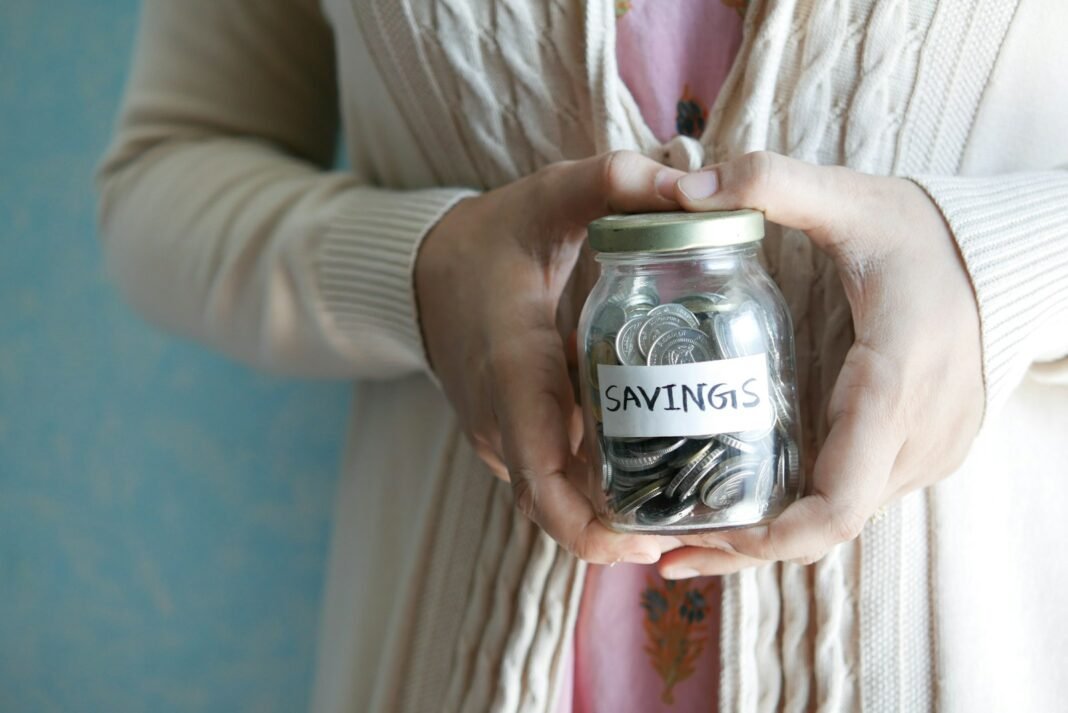

Salary lands on the 25th. By the 5th, sapa has already set in. You’re not quite sure where the money went: a few transfers to family, data, fuel, foodstuff, a friend’s birthday and a “small” online order. If that sounds like your month, you don’t necessarily need a bigger salary first. You need a plan for the money you already have.
A budget is a plan that tells your money where to go before the month begins. To create one that works in Nigeria, start from your take-home pay, list your fixed and variable costs, move savings out first, turn yearly bills like rent into monthly amounts, set limits for each category and review the plan every payday. Frameworks like the 50/30/20 rule are a starting point, not a law.
Key takeaways
- Budget with your take-home pay, not your gross salary. Our PAYE calculator shows yours.
- “Pay yourself first” by moving savings out the moment income arrives.
- Turn yearly costs such as rent and school fees into monthly savings targets.
- Adjust the 50/30/20 rule to Nigerian prices. Protecting some savings matters more than the exact split.
Why budgeting feels harder in Nigeria
Most budgeting advice was written for people who pay rent monthly, have stable prices and rarely support extended family. Nigerian reality is different. Headline inflation slowed to 15.39% in August 2026, according to the National Bureau of Statistics, but food inflation was still 19.57%, so the cost of feeding a household keeps climbing. Rent is often demanded a year or more upfront. Many people support parents or siblings every month. And power cuts turn electricity into two bills: the grid and the generator.
None of that makes budgeting pointless. It makes it more important, because there is less room for money to disappear without a plan.
Step 1: Start from your real take-home pay
Use the amount that actually lands in your account after tax, pension and other deductions. If you’re salaried, our PAYE calculator shows your take-home pay under the 2026 tax rules. If your income is irregular (freelance, business, commission or tips), use your lowest typical month from the last six months as your baseline, and treat anything above it as a bonus to save or put towards goals.
Step 2: Track one month of spending
Download last month’s bank statement and check your mobile transfers, POS receipts and cash withdrawals. Group everything into categories such as:
- Housing (rent, service charge)
- Food and household items
- Transport (fuel, fares, ride-hailing)
- Power and utilities (electricity tokens, generator fuel, water)
- Data and airtime
- Family support
- Subscriptions, entertainment and eating out
- Debt repayments
Most people are surprised by two things: how much small daily spending adds up, and how much goes to other people. Both are fine, as long as you choose them on purpose.
Step 3: Choose a budgeting method
The 50/30/20 rule
Popularised by Elizabeth Warren and Amelia Warren Tyagi in All Your Worth (2005), this splits take-home pay into 50% needs, 30% wants and 20% savings or debt repayment. In Nigeria, needs often take far more than 50%. That’s normal. Try 60/20/20 or 70/15/15, and keep at least some savings, even 5%, while you work on reducing costs or growing income.
Zero-based budgeting
Every naira gets a job, whether spending, saving or giving, until income minus allocations equals zero. It gives maximum control and suits people who like detail.
The envelope method
Give each category a fixed amount, using separate accounts or savings pots in your banking app. When an envelope is empty, spending in that category stops for the month. This works well for food, transport and “enjoyment”.
A worked example: ₦250,000 take-home pay
Picture Efe, a customer service officer in Benin City, who takes home ₦250,000 a month. Her plan looks like this:
| Category | Monthly amount |
|---|---|
| Rent (saved monthly towards yearly rent) | ₦60,000 |
| Food and household | ₦60,000 |
| Transport | ₦30,000 |
| Power, water and data | ₦20,000 |
| Family support | ₦15,000 |
| Savings and emergency fund | ₦37,500 |
| Personal, learning and fun | ₦27,500 |
| Total | ₦250,000 |
That is roughly 68% needs, 15% savings and 17% personal spending and family support. It doesn’t follow 50/30/20 exactly, and it doesn’t have to. What matters is that every line is chosen, savings happen first, and rent is never a surprise.
Step 4: Pay yourself first
On payday, set an automatic transfer that moves your savings amount into a separate account before you spend anything else. Choose a bank licensed by the Central Bank of Nigeria, or a savings or investment product from a provider registered with the Securities and Exchange Commission where required. Be wary of anyone promising guaranteed high returns.
Step 5: Turn yearly bills into monthly ones
Rent, school fees, insurance, festive seasons and family events are predictable. Divide each yearly amount by 12, or by the number of months until it’s due, and save that amount monthly in its own pot. Our guide on saving for rent without borrowing shows the method step by step.
Step 6: Set a family-support amount
Supporting family is part of life for many Nigerians, but unplanned giving is one of the fastest ways a budget breaks. Decide a monthly amount you can sustain, tell the people who rely on you, and keep a small buffer for genuine emergencies. Our black tax guide has kind scripts for those conversations.
Step 7: Review every payday
At the end of each month, compare what you planned with what you spent. Prices move quickly, so your budget should too. Ask three questions: Where did I overspend? What surprised me? What will I change next month?
Common budgeting mistakes
- Budgeting from gross pay instead of what actually lands in your account.
- Forgetting irregular costs, such as car repairs, owambes, school projects or a new phone.
- Making the plan too strict. If there’s no money for anything enjoyable, you’ll abandon it.
- Borrowing to fill gaps. Loan apps can turn a short shortfall into months of stress. See our loan app debt guide.
- Giving up after one bad month. A budget is a habit, not a test you pass or fail.
Try this this week
This weekend, download last month’s bank statement and group your spending into categories. Then set up one automatic transfer of a fixed amount into a separate savings account for every payday, so your savings happen before sapa can get to them.
Frequently asked questions
What is the best budgeting app in Nigeria?
Many Nigerian banking apps now include spending insights and savings pockets, and a simple spreadsheet or notes app also works well. The best tool is the one you will actually use every month. Start simple and add detail only if it helps.
How much of my salary should I save?
Twenty per cent is a common guideline. If that isn’t possible right now, start with 5–10% and increase it each time your income rises. Saving something every month builds the habit, which matters more than the exact amount at the start.
Does the 50/30/20 rule work in Nigeria?
Often not exactly, because food, rent and transport can take more than half of take-home pay. Use it as a guide, adjust the percentages to your reality, and protect at least a small amount of savings while you work on costs and income.
Final thoughts
A budget isn’t about saying no to everything. It’s about saying yes to what matters most to you, on purpose, before the month decides for you. Start with your real take-home pay, save first, plan for the big yearly bills and review often. Small, repeated adjustments add up.
For practical money guides, join the Mindset.ng newsletter.
Related reading
- How to build an emergency fund in Nigeria
- Money mindset: beliefs that keep people broke
- How to save for rent in Nigeria without borrowing
- Ajo, esusu or cooperative? How to save together safely
- Loan app debt: a calm plan to get free
- PAYE calculator 2026: work out your take-home pay
Sources
- Warren, E., & Tyagi, A. W. (2005). All Your Worth: The Ultimate Lifetime Money Plan. Free Press.
- PRNigeria (16 September 2026). Nigeria’s inflation eases to 15.39% in August (National Bureau of Statistics data).
- Central Bank of Nigeria. Official website (for checking licensed financial institutions).
- Securities and Exchange Commission Nigeria. Official website.
Written and fact-checked by the Mindset.ng Editorial Team in line with our Editorial Policy. This article is for educational purposes only and is not personalised financial advice. Read our Disclaimer. Last updated: 8 October 2026.