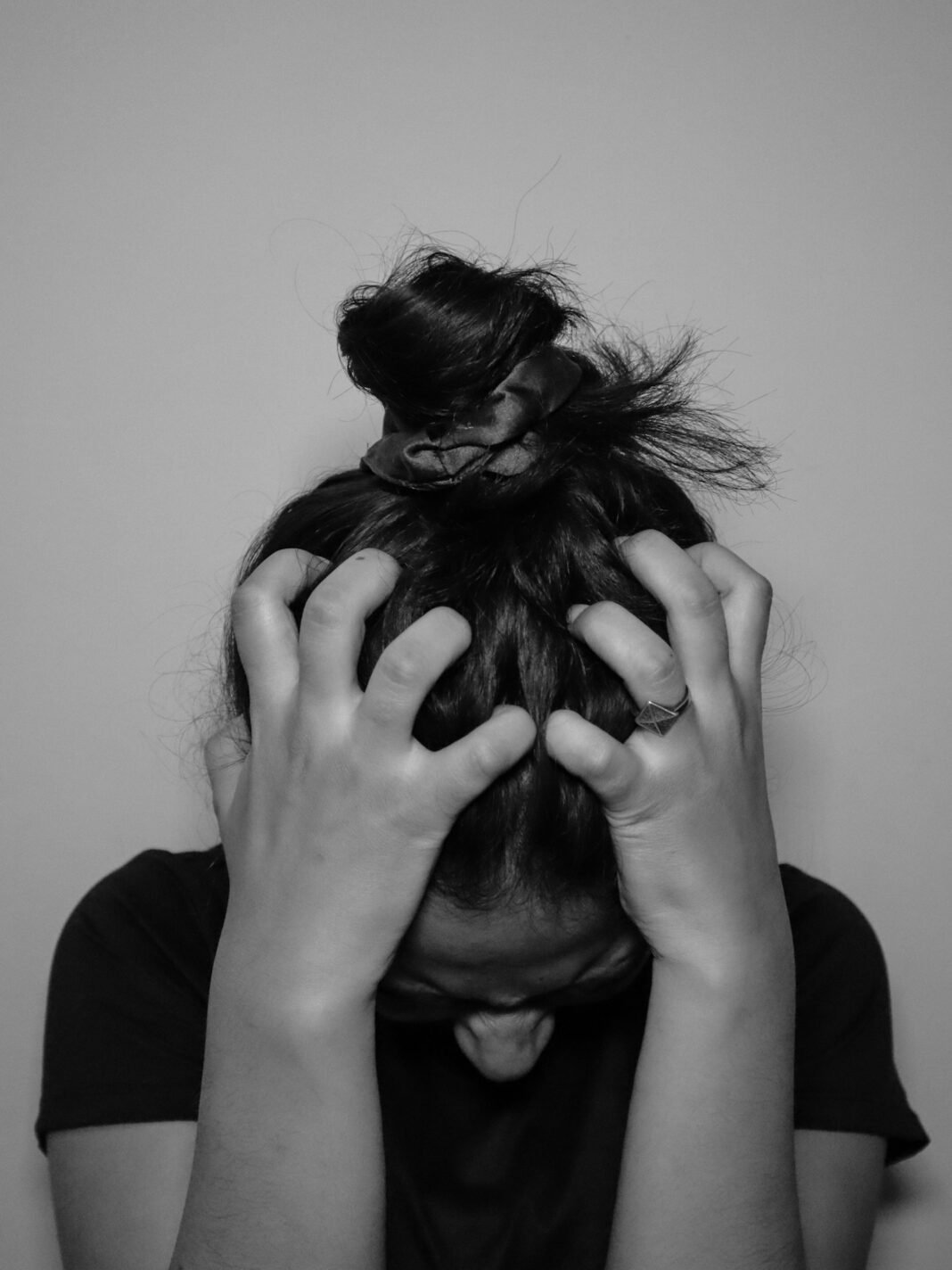


In Nigeria, sleeping less is often worn like a badge of honour. “I’ll sleep when I’m rich” and “sleep is for the lazy” sound motivational. Between early commutes, generator noise, hot nights without light, and late-night scrolling, many of us run on five hours or less. The research is clear, though: short sleep makes you slower, moodier and less productive, often without you noticing.
Most adults aged 18 to 60 need at least 7 hours of sleep per night for optimal health, according to the American Academy of Sleep Medicine and the Sleep Research Society. Regularly sleeping less is linked to poorer concentration, memory, mood and decision-making, as well as a higher risk of health problems. Sleep is not a luxury for ambitious people. It is part of performing well.
Key takeaways
- Aim for at least 7 hours of sleep a night as an adult.
- Sleep deprivation hurts attention, memory and emotional control, often without you noticing.
- A consistent schedule, a dark and cool room, and less late-night screen time all improve sleep.
Recommended sleep by age
- Teenagers (13–18): 8–10 hours
- Adults (18–60): 7 or more hours
- Adults 61–64: 7–9 hours
- Adults 65+: 7–8 hours
These figures come from the US Centers for Disease Control and Prevention (CDC), based on expert consensus recommendations.
How lack of sleep affects productivity
In a well-known 2003 laboratory study, Hans Van Dongen and colleagues restricted participants to 6 hours of sleep a night for two weeks. Their performance on attention tasks declined to levels similar to people who had gone without sleep for a full night, yet participants rated themselves as only slightly sleepy. In other words, chronic sleep loss impairs you more than you realise.
Poor sleep has also been linked to weaker emotional regulation, lower creativity and more mistakes.
10 tips for better sleep
- Keep a consistent schedule: go to bed and wake up at the same time, even at weekends.
- Get morning daylight: it helps regulate your body clock.
- Limit caffeine after midday: its effects can last for hours.
- Reduce screens before bed: stop scrolling 30–60 minutes before sleep.
- Keep your room dark, quiet and cool: use blackout curtains or an eye mask, and a fan or earplugs if needed.
- Plan around heat and power cuts: a rechargeable fan and light clothing can make hot nights more bearable.
- Avoid heavy meals and alcohol late at night: alcohol can disrupt sleep quality.
- Create a wind-down routine: reading, prayer, stretching or a warm shower.
- Keep naps short: 20–30 minutes, earlier in the day.
- Don’t lie awake for long: if you can’t sleep after about 20 minutes, get up and do something calm until you feel sleepy.
When to see a doctor
See a doctor if you regularly struggle to fall or stay asleep, snore loudly, stop breathing during sleep (as noticed by a partner), or feel very sleepy during the day despite enough time in bed. These can be signs of insomnia or sleep apnoea, which are treatable.
Try this this week
For the next seven nights, set a fixed bedtime that gives you at least seven hours before your alarm, and put your phone away 30 minutes before. Write a quick note each morning about how you feel, then compare it with how you felt last week.
Frequently asked questions
Can I catch up on sleep at weekends?
Extra weekend sleep may reduce some short-term sleepiness, but it does not fully reverse the effects of regular sleep loss. Consistency is better.
Is 6 hours of sleep enough?
For most adults, no. Experts recommend at least 7 hours. A very small number of people naturally need less, but this is rare.
Related reading
Sources
- Watson, N. F., et al. (2015). Recommended amount of sleep for a healthy adult: A joint consensus statement of the American Academy of Sleep Medicine and Sleep Research Society. Sleep, 38(6), 843–844.
- Centers for Disease Control and Prevention. Sleep.
- Van Dongen, H. P. A., et al. (2003). The cumulative cost of additional wakefulness. Sleep, 26(2), 117–126.
Written and fact-checked by the Mindset.ng Editorial Team in line with our Editorial Policy. This article is for general information only and is not a substitute for professional medical advice. Read our Disclaimer. Last updated: 23 September 2026.