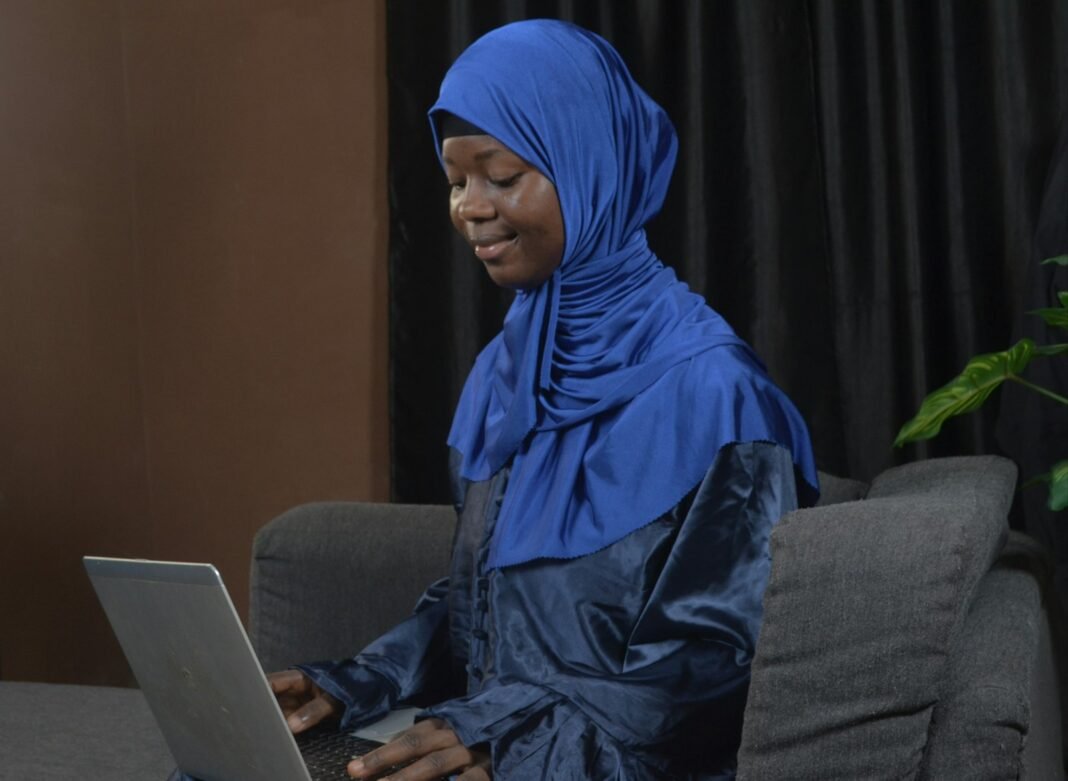

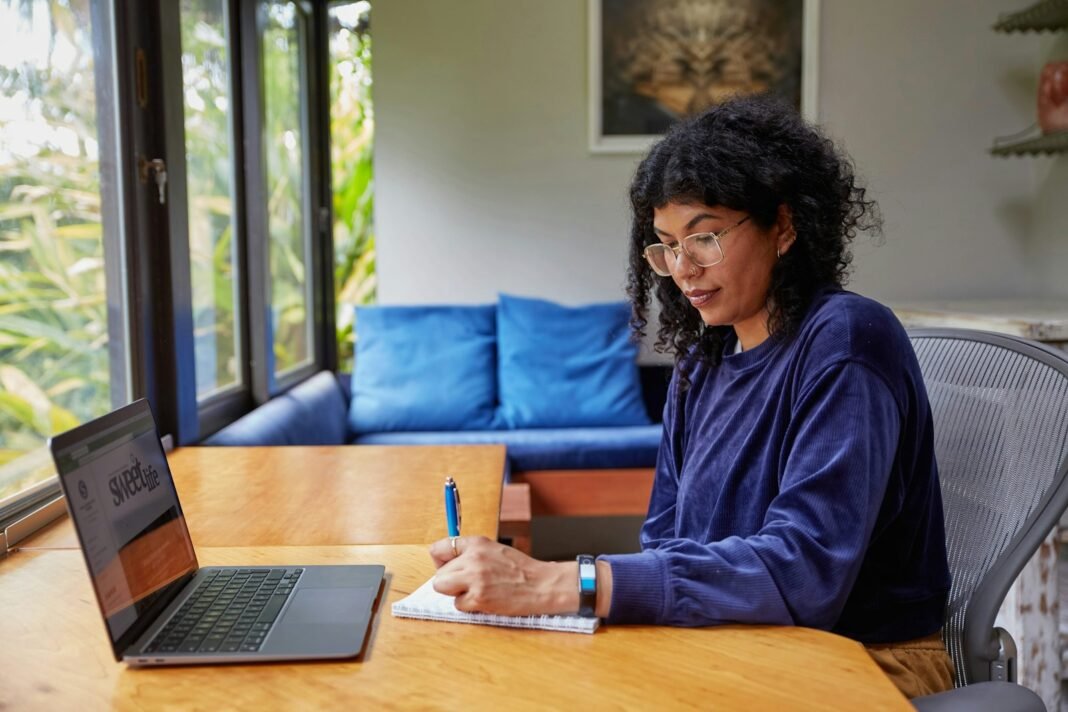
Picture Tolu in Ibadan, ten minutes into an important video call with her manager. She is explaining the monthly numbers when the fan stops, the router light goes off and her laptop screen dims. NEPA has taken light. Her generator won’t start, and her mobile data is almost finished. By the time she reconnects, the meeting is over. If you work from home in Nigeria, you know this story. Remote work can give you more time and freedom, but only if you plan for Nigerian realities like power cuts, data costs, heat and noisy neighbours. This guide shows you how.
To work from home in Nigeria productively, plan your day around power and internet, set up a low-cost backup (power bank, second network, offline work), protect focused time with clear boundaries at home, and stay visible to your manager with regular updates. Treat reliability as part of your job.
Key takeaways
- Research shows working from home can work well: a large 2024 study found hybrid work reduced quitting without hurting performance.
- In Nigeria, power and internet are the biggest risks, so build a simple backup plan.
- Do your most important, online-heavy work when power is most reliable.
- Clear boundaries with family and regular updates to your manager keep you productive and trusted.
Does working from home really work?
Yes, when it is done well. In a randomised trial with 1,612 employees, economists Nicholas Bloom, Ruobing Han and James Liang found that working from home two days a week reduced quitting by about a third, improved job satisfaction and did not damage performance. Their results were published in the journal Nature in 2024.
But those workers had steady power and fast internet. In Nigeria, you have to create that stability yourself.
The real challenges of working from home in Nigeria
| Challenge | What it looks like | Quick fix |
|---|---|---|
| Power cuts | Laptop dies mid-task, no fan or light | Power bank, fully charged devices, offline work plan |
| Data costs and poor network | Calls drop, uploads fail, data finishes early | Second SIM on another network, data-saving settings |
| Heat | Hard to focus in the afternoon | Work early, use a rechargeable fan, stay hydrated |
| Noise and interruptions | Generators, hawkers, family asking for help | Headphones, a “do not disturb” time, a set workspace |
| Blurry boundaries | Working late every night, never switching off | Fixed start and end times |
Plan your day around power and data
- Know your power pattern. Most areas have rough patterns. Track when you usually have light for one week.
- Put online-heavy work in your “power window”. Schedule video calls, uploads and large downloads when power and network are most reliable.
- Keep an offline task list. Writing, reading, planning and editing can be done offline. When light goes, switch to these instead of waiting.
- Charge everything, always. Laptop, phone and power bank should be charged whenever you have power.
- Download before you need it. Save documents and files for offline use at the start of the day.
Our guide to time management in Nigeria has more tips for planning around unpredictable days.
A low-cost backup setup
- A good power bank that can charge your phone several times, or a laptop power bank if your budget allows.
- A second SIM on a different network, so you can switch when one is poor.
- Data-saving habits: turn off automatic updates and video autoplay, and switch video calls to audio when the network is weak.
- A backup location: a co-working space, a friend’s place with steady power or a quiet café for important days.
- If you can invest more: a small inverter or solar setup can pay for itself in saved generator fuel and lost work. Get quotes from reputable installers.
Protect your focus at home
- Create a work spot. Even a small corner with a table tells your brain it’s time to work.
- Work in focused blocks. Try 50 minutes of focused work, then a 10-minute break. Read our guide on deep work and focus.
- Silence notifications. Mute social media and non-work WhatsApp groups during work blocks.
- Use headphones. They block generator noise and signal “I’m busy” to others.
- Beat procrastination early. Start with one small task to build momentum. Our guide on how to stop procrastinating can help.
Set boundaries with family and neighbours
In many Nigerian homes, being at home means being available. Mummy may ask you to run to the market, or a neighbour may assume you’re free all day. Set boundaries kindly and clearly:
- Share your working hours: “I’m working from 9 to 5, but I’m free after.”
- Close the door or use a sign during calls.
- Offer a specific time to help: “I’ll go to the market at 5pm.”
Read our guide on how to set healthy boundaries for more scripts.
Stay visible to your manager
- Send a short daily update: what you did, what’s next and any blockers.
- Warn early about outages: “Power is out in my area; I’m switching to my backup network and will be back on the call in five minutes.”
- Be reachable during agreed hours and respond promptly.
- Share results, not just activity. Show finished work and outcomes.
Try this this week
For the next five working days, write down when you have power and good network. At the end of the week, move your calls and online-heavy tasks into your most reliable window, and create an offline task list for when light goes.
Frequently asked questions
How do I work from home in Nigeria without constant light?
Track your power pattern and schedule online-heavy work when power is most reliable. Keep your devices charged, use a power bank, save files for offline use and keep a list of offline tasks. For important days, have a backup location such as a co-working space.
How much data do I need to work remotely?
It depends on your work. Video calls, large uploads and cloud-based tools use the most data. Track your usage for two weeks to find your average, then choose a plan with some room to spare. Keep a second SIM on another network as a backup.
How do I stay productive at home?
Create a dedicated workspace, work in focused blocks, silence distractions and set clear working hours with family. Send short daily updates to your manager and plan your day around your most reliable power and internet times.
Final thoughts
Working from home in Nigeria is not the same as working from home in London, and that’s okay. With a simple plan for power and data, clear boundaries and good communication, you can be just as productive and more rested. Start with one change this week, and build from there.
Protect your focus with our guide on deep work, and join the Mindset.ng newsletter for practical guides every week.
Related reading
Sources
- Bloom, N., Han, R., & Liang, J. (2024). Hybrid working from home improves retention without damaging performance. Nature, 630, 920–925.
- Bloom, N., Liang, J., Roberts, J., & Ying, Z. J. (2015). Does working from home work? Evidence from a Chinese experiment. The Quarterly Journal of Economics, 130(1), 165–218.
Written and fact-checked by the Mindset.ng Editorial Team in line with our Editorial Policy. Last updated: 25 September 2026.