



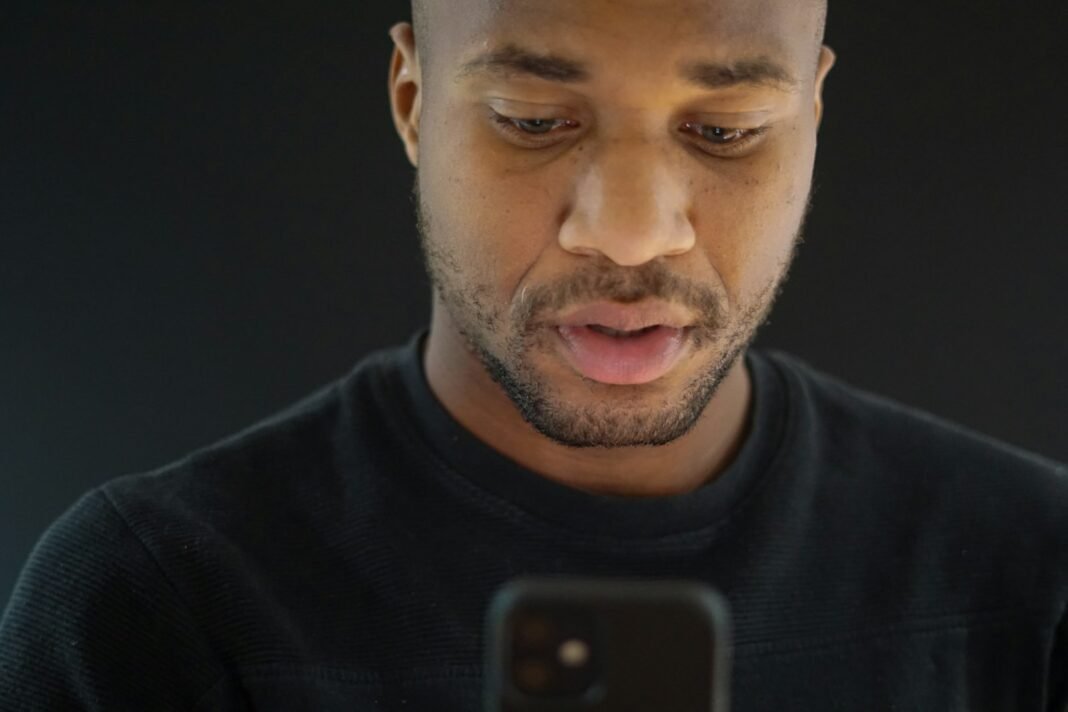
Picture Kemi in Ibadan, lying in bed after a long day. She opens Instagram and sees her secondary school classmate’s engagement photos, another friend’s new car and a third one posting from an airport with the caption “New beginnings 🇨🇦”. Then her aunty sends a message in the family WhatsApp group: “Kemi, where are you working now?” Kemi puts the phone down feeling small, even though she has been working hard all year. That heavy feeling has a name: comparison culture. This guide explains why it hits so hard and how to measure your progress on your own terms.
Comparison culture is the constant habit of measuring your life, money and achievements against other people’s, especially the highlight reels you see on social media. Comparing yourself to others is a normal human instinct, but frequent upward comparison is linked to lower self-esteem. You can reduce it by limiting passive scrolling, defining your own goals and tracking your own progress.
Key takeaways
- Comparing yourself to others is a normal human habit, not a personal failure.
- Research links passive social media scrolling and upward comparison with lower wellbeing and self-esteem.
- You are comparing your full life with other people’s edited highlights.
- A personal scorecard helps you judge progress by your own goals, not your mates’.
What is social comparison?
In 1954, psychologist Leon Festinger described social comparison theory. His idea was simple: humans have a natural drive to judge themselves, and when there is no clear standard, we look at other people to see how we are doing.
There are two main types:
| Type | What it means | How it can feel |
|---|---|---|
| Upward comparison | Comparing yourself with people you see as doing better | Can inspire you, but often leaves you feeling behind or envious |
| Downward comparison | Comparing yourself with people you see as doing worse | Can bring relief, but can also lead to complacency or pity |
Comparison is not always bad. Seeing a friend pass ICAN can motivate you to register. The problem starts when comparison becomes constant, one-sided and always leaves you feeling like you are failing.
What research says about social media and comparison
Social media makes comparison easier than ever because it shows you a steady stream of other people’s best moments.
- A 2014 study by Erin Vogel and colleagues found that people who used Facebook more often had lower self-esteem, and that this was linked to more upward comparisons.
- A 2017 review by Philippe Verduyn and colleagues found that passive use (scrolling and watching) was linked to envy and lower wellbeing, while active use (chatting and connecting with people) was linked to more support and better wellbeing.
In other words, it’s not only how much you use social media, but how you use it. For more, read our guide on social media and mental health.
Why comparison culture feels worse in Nigeria
- Family questions: “When are you getting married?” and “Where are you working now?” at every family gathering.
- Japa pressure: airport photos and “new country” posts can make staying feel like losing.
- Owambe culture: weddings and parties become a public show of success.
- Economic stress: inflation and a tough job market make progress slow for many people, so one friend’s big win can sting more.
- Hidden struggles: people rarely post their loan-app debt, black tax or the job they lost. You only see the good part.
Remember: you are comparing your behind-the-scenes with someone else’s highlight reel.
6 ways to compare less and grow more
- Notice your triggers. For one week, pay attention to when you feel “behind”. Is it after Instagram at night? After family group chats? Awareness is the first step.
- Curate your feed. Mute accounts that consistently make you feel bad. Follow people who teach, inspire or make you laugh.
- Switch from passive to active use. Instead of scrolling, message a friend, reply to a post or join a useful community.
- Compare with your past self. Ask, “Am I better than I was a year ago?” That is a fairer comparison.
- Turn envy into information. If a friend’s promotion stings, ask what it tells you about what you want. Then make a plan for it.
- Practise gratitude. Write down three things that went well each day. It trains your attention to see your own progress.
Build your own personal scorecard
A personal scorecard lets you judge your life by your values instead of by your mates’ timelines. Choose four or five areas that matter to you and set one simple measure for each.
| Area | My measure | This quarter |
|---|---|---|
| Career | Learn one new skill | Complete an online course |
| Money | Build savings | Save ₦10,000 a month |
| Health | Move more | Walk 30 minutes, 3 times a week |
| Relationships | Stay connected | Call one friend every week |
| Growth | Read more | Finish two books |
Review your scorecard once a month. Need help setting the right goals? Read our guide on how to set goals you will achieve.
When comparison becomes anxiety or low mood
If comparison leaves you feeling hopeless, anxious most days, unable to sleep, or like you are worthless, it may be more than a habit. Please speak to someone you trust and consider seeing a licensed mental health professional. If you ever have thoughts of harming yourself, call 112 or go to the nearest hospital emergency department immediately.
Try this this week
Mute three accounts that make you feel behind. Then fill in the personal scorecard above with your own five areas and one small measure for each. Look at it again next Sunday.
Frequently asked questions
Why do I always compare myself to others?
Comparing ourselves to others is a normal human instinct. Psychologist Leon Festinger suggested that we use other people to judge our abilities and progress when there is no clear standard. Social media makes this worse by showing us a constant stream of other people’s best moments.
Is comparison always bad?
No. Comparison can motivate you when it shows you what is possible and helps you set goals. It becomes harmful when it is constant, when you only compare yourself with people who seem to be doing better, and when it leaves you feeling worthless instead of inspired.
How do I stop feeling behind in life?
Start by limiting passive scrolling, then compare yourself with your past self instead of your mates. Write down your own goals using a personal scorecard, and celebrate small progress. If the feeling of being behind affects your mood or sleep for weeks, talk to a professional.
Final thoughts
Your mates are not ahead of you. They are on a different road, with different traffic. Comparison culture will always show you someone with more, but your life is not a race against anyone’s Instagram. Define what success means to you, measure your own progress and keep moving. E go better.
Set goals that are truly yours with our goal-setting guide, and join the Mindset.ng newsletter for weekly practical guides.
Related reading
Sources
- Festinger, L. (1954). A theory of social comparison processes. Human Relations, 7(2), 117–140.
- Vogel, E. A., Rose, J. P., Roberts, L. R., & Eckles, K. (2014). Social comparison, social media, and self-esteem. Psychology of Popular Media Culture, 3(4), 206–222.
- Verduyn, P., Ybarra, O., Résibois, M., Jonides, J., & Kross, E. (2017). Do social network sites enhance or undermine subjective well-being? A critical review. Social Issues and Policy Review, 11(1), 274–302.
Written and fact-checked by the Mindset.ng Editorial Team in line with our Editorial Policy. This article is for general information only and is not a substitute for professional medical advice. Read our Disclaimer. Last updated: 24 September 2026.


[…] Your Mates Are Buying Cars and Japa-ing. Here’s How to Stop Comparing […]
[…] Your Mates Are Buying Cars and Japa-ing. Here’s How to Stop Comparing […]
[…] Your Mates Are Buying Cars and Japa-ing. Here’s How to Stop Comparing […]