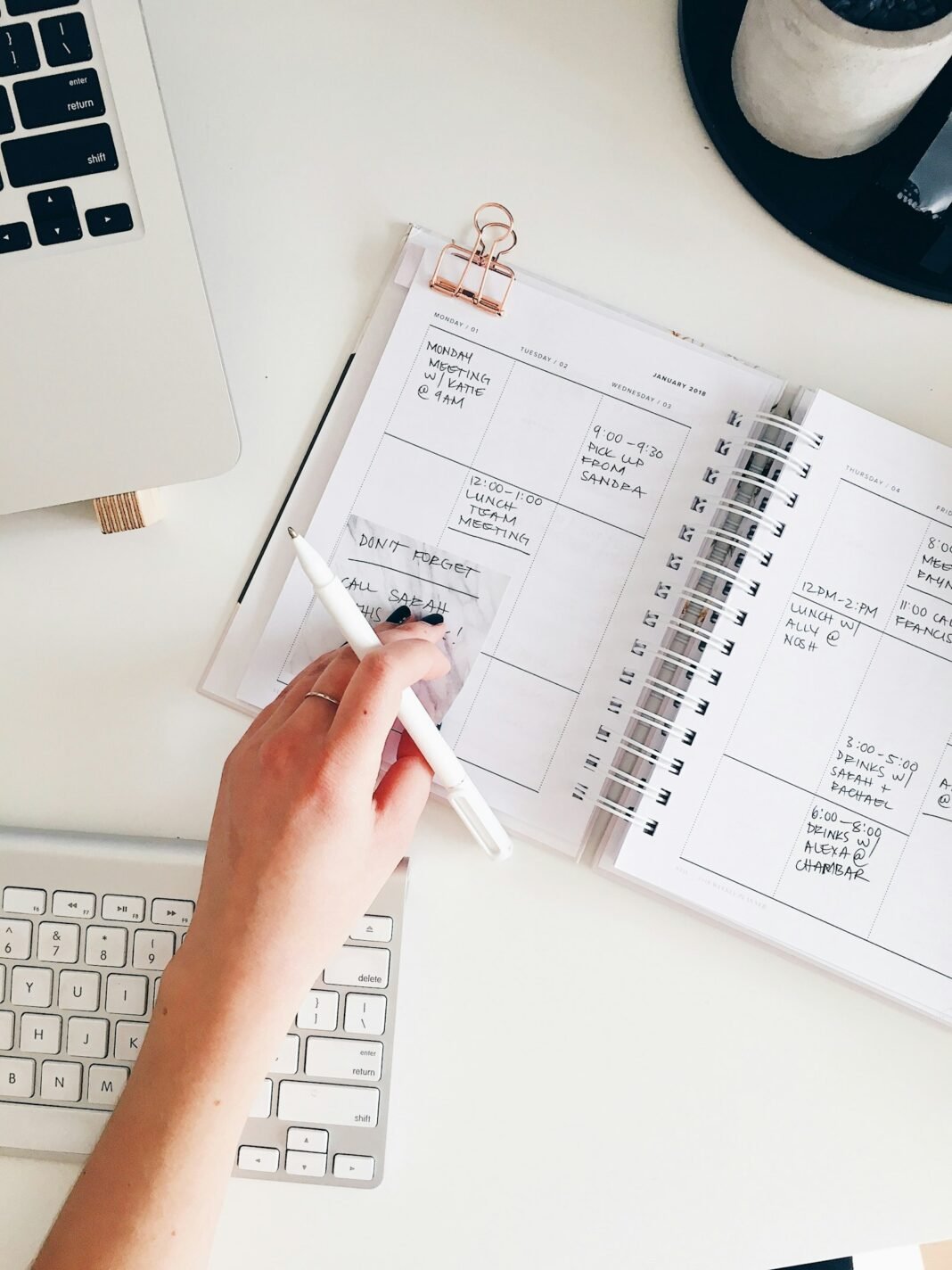

Think about how you brush your teeth every morning. You don’t negotiate with yourself or wait until you feel motivated. You just do it, because it’s a habit. Now imagine if saving money, reading or exercising felt that automatic. That’s the power of habits, and building them depends less on willpower than on a simple system.
To build a habit that sticks, repeat a small, specific action in the same context (the same time, place or trigger) until it becomes automatic. Research shows habits form through consistent repetition, not intensity. Starting small, attaching the new habit to an existing routine and making it satisfying are the most reliable ways to get there.
Key takeaways
- Habits are behaviours triggered automatically by context cues.
- In one well-known study, habits took an average of 66 days to become automatic, with a range of 18 to 254 days.
- Missing one day did not significantly harm habit formation. Consistency over time matters more than perfection.
How habits actually form
A habit is a behaviour you perform automatically in response to a cue, with little conscious thought. Psychologists describe a simple loop: cue → behaviour → reward. The more often you repeat the behaviour after the same cue, the stronger the link becomes.
In a 2010 study at University College London, Phillippa Lally and colleagues followed people trying to build habits like eating fruit at lunch or running before dinner. On average it took 66 days for the behaviour to feel automatic, and missing an occasional day did not derail progress.
A simple 6-step habit system
1. Choose one habit at a time
Trying to overhaul your whole life at once usually fails. Pick the one habit that would make the biggest difference.
2. Make it tiny and specific
“Read more” is vague. “Read two pages after morning prayers” is specific. Tiny habits are easier to start on busy days.
3. Anchor it to an existing routine
Use the formula “After I [current habit], I will [new habit].” For example: “After I make my morning tea, I will write my top three tasks.” This is often called habit stacking.
4. Make it easy
Reduce friction. Lay out what you need the night before. Download lessons for offline use so data or network issues don’t stop you.
5. Make it satisfying
Give yourself an immediate reward, such as ticking a box, a short walk or your favourite song. Our brains repeat what feels good now, not what pays off in five years.
6. Track it and never miss twice
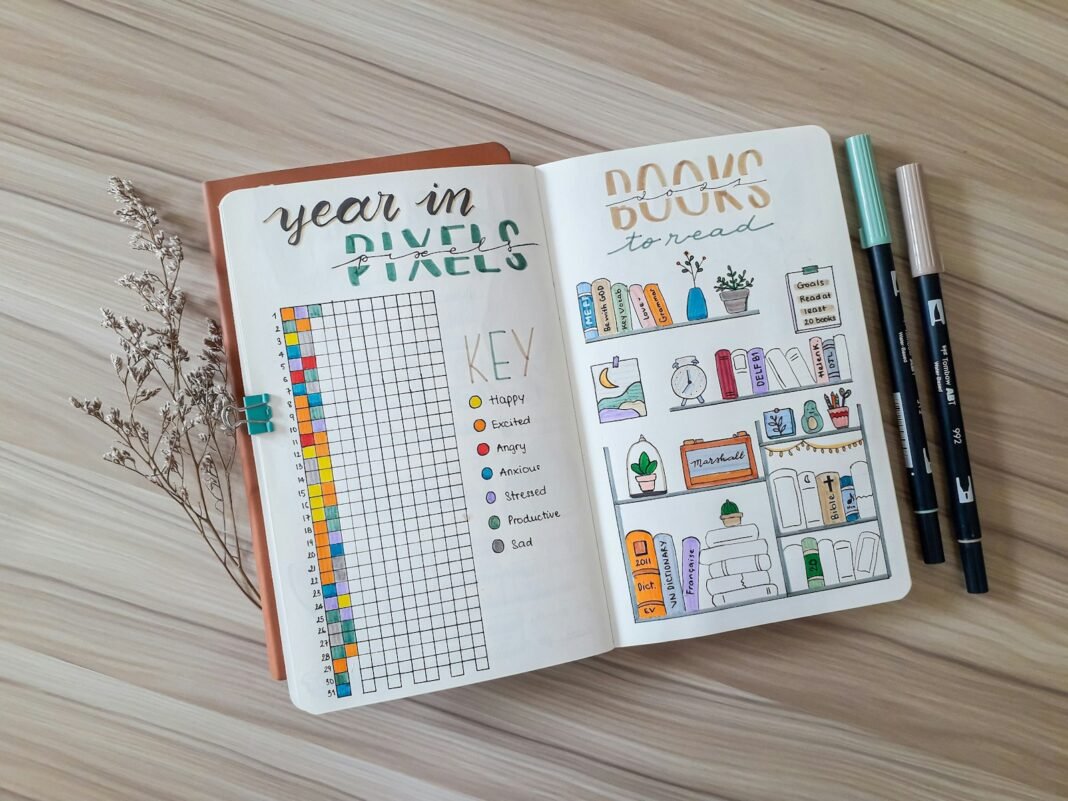
Use a simple habit tracker or calendar. If you miss a day, get back on track the next day. The goal is consistency, not a perfect record.
How to break a bad habit
Reverse the process:
- Remove the cue: Turn off notifications and unfollow accounts that trigger endless scrolling.
- Add friction: Log out of apps, or keep snacks out of sight.
- Replace, don’t just remove: Swap the habit for another behaviour that meets the same need, such as a walk instead of scrolling when bored.
Try this this week
Pick one tiny habit and write it using this formula: “After I [existing routine], I will [new habit].” For example: “After I say my morning prayers, I will read two pages.” Tick it off on a calendar every day for the next 30 days, and if you miss a day, never miss two in a row.
Frequently asked questions
Does it take 21 days to form a habit?
That’s a popular myth. Research suggests it varies widely, with an average of about 66 days, depending on the person and the behaviour.
What is the best book on building habits?
Popular, evidence-informed options include Atomic Habits by James Clear, Tiny Habits by BJ Fogg and Good Habits, Bad Habits by Wendy Wood.
Related reading
Sources
- Lally, P., van Jaarsveld, C. H. M., Potts, H. W. W., & Wardle, J. (2010). How are habits formed: Modelling habit formation in the real world. European Journal of Social Psychology, 40(6), 998–1009.
- Wood, W., & Rünger, D. (2016). Psychology of habit. Annual Review of Psychology, 67, 289–314.
- Clear, J. (2018). Atomic Habits. Avery.
Written and fact-checked by the Mindset.ng Editorial Team in line with our Editorial Policy. Last updated: 23 September 2026.