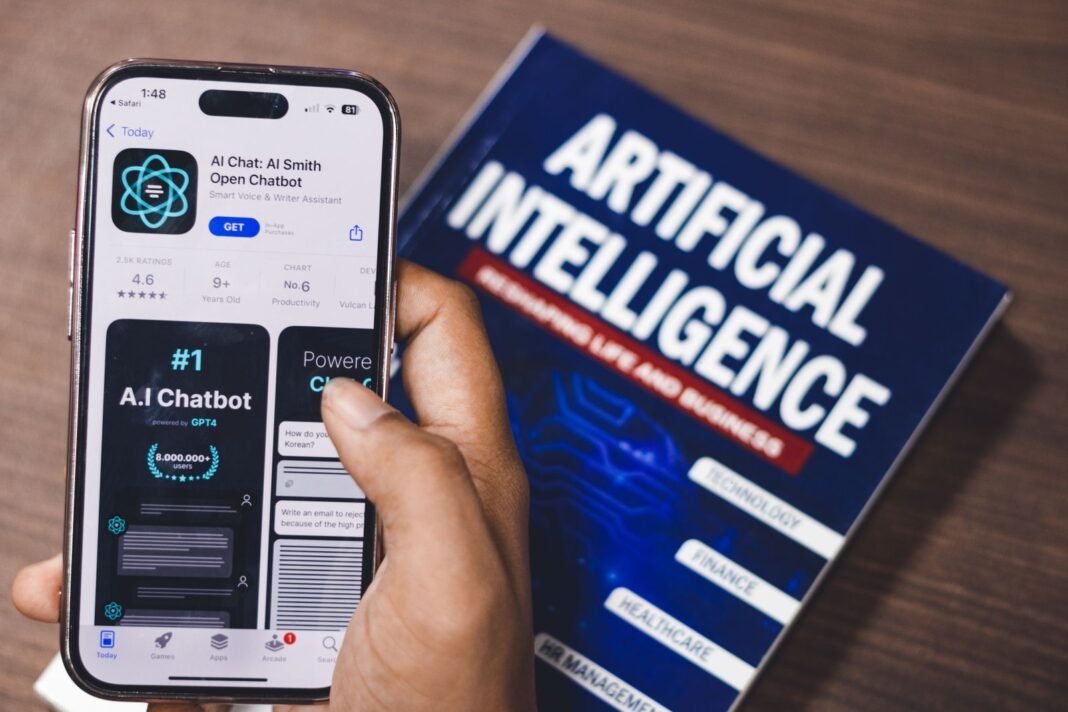


AI tools do not replace judgment, relationships or accountability. What they do well is take the repetitive, first-draft, sorting-and-summarising work off your plate — the tasks that quietly eat two hours of every working day. Here are eight workflows Nigerian professionals can put to work this week, with the guardrails that keep them safe.
One rule throughout: AI drafts, you decide. Never send AI output to a client, a regulator or your manager without reading every line. Never paste confidential client data, staff records, or anything covered by the Nigeria Data Protection Act into a public tool.
1. Turn messy notes into a structured first draft
Paste rough meeting notes, voice-note transcripts or bullet points and ask for a specific format: a client email, a proposal outline, a report section. You supply the thinking and the facts; AI supplies the structure and the tidy prose. Editing a draft is far faster than starting from a blank page.
2. Summarise long documents into decisions
Long PDF, policy document, tender, contract, or a 40-message email thread: ask for “the five points that affect my decision” and “anything unusual or risky.” Then read the relevant original sections yourself before acting. Great for triage, never a substitute for reading a contract you are signing.
3. Prepare for meetings faster
Feed in the agenda and background and ask for likely questions, counter-arguments, and three sharp questions you should ask. For a sales or partnership call, ask it to role-play the other side. You walk in prepared instead of winging it.
4. Draft and pressure-test written communication
Difficult email to a client, a firm message to a vendor who is late, a performance conversation to plan: draft it, then ask AI to flag where it sounds harsh, unclear or likely to be misread. Ask for a warmer version and a firmer version and choose. Keep your own voice — do not send generic corporate text.
5. Do first-pass analysis on data and spreadsheets
Describe your dataset and ask for the formula, the pivot structure, or an explanation of a trend. Ask it to check your logic. Verify every number it gives back — AI is confidently wrong with arithmetic and citations. Use it to move faster, not to skip checking.
6. Repurpose one piece of work into many formats
One report becomes a summary email, three LinkedIn posts, a slide outline and talking points. One webinar transcript becomes an article and a FAQ. You create the substance once; AI reshapes it for each audience while you edit for accuracy and tone.
7. Research a new topic to a working understanding
Ask for an overview, the key terms, the main debates and what a beginner usually gets wrong. Use it to get oriented quickly — then confirm anything you will rely on against a primary source, because AI can invent specifics, especially Nigeria-specific figures, laws and dates.
8. Build reusable templates for work you repeat
Any task you do more than weekly — a status report, a proposal, a client update, a job description — deserves a saved prompt with your format, tone and standard sections baked in. Ten minutes building the template once saves you the setup cost every single time after.
Should you automate a task? Do the maths
Task automation prioritiser
Where AI helps and where it hurts
| Task | Good use of AI? | The guardrail |
|---|---|---|
| First drafts of emails, reports, proposals | Yes | Edit for accuracy and your voice before sending |
| Summarising long documents for triage | Yes | Read the original clauses before you act or sign |
| Brainstorming, meeting prep, reframing | Yes | None major — it is idea fuel |
| Arithmetic, financial figures, statistics | Caution | Recompute every number yourself |
| Nigeria-specific law, tax, dates, prices | Caution | Confirm against the official source every time |
| Anything with client data or personal data | No (public tools) | Use approved tools only; anonymise first |
| Final decisions, advice to clients, sign-off | No | That is your job and your accountability |
A worked example
Fola is an operations manager who writes a weekly performance report. It takes her about 90 minutes every Friday: pulling numbers, writing the narrative, formatting for the leadership deck.
She builds one reusable prompt with her report structure, the metrics that matter, and the tone. Now she pastes the week’s raw numbers, gets a formatted draft in two minutes, checks every figure against her source sheet, and rewrites the two paragraphs that need her judgment. Time: about 30 minutes. Saving: roughly 4 hours a month, about 48 a year — a full working week returned. The numbers are still hers; only the typing moved.
AI-at-work mistakes to avoid
- Pasting confidential or personal data into public AI tools. This can breach the Nigeria Data Protection Act and client agreements.
- Sending AI output without reading it. Hallucinated facts, wrong figures and invented citations are common.
- Trusting Nigeria-specific claims — tax rates, legal provisions, government deadlines, market prices — without checking the official source.
- Letting your writing become generic. Clients and colleagues notice bland “AI voice.”
- Using it to skip understanding your own work rather than to speed it up.
AI at work FAQ
Which AI tool should a Nigerian professional start with?
Any of the major general assistants will cover these eight workflows. Start with one, learn to prompt it well, and check whether your employer has an approved tool and a policy before using it for work data.
Is it safe to put work information into AI tools?
Treat public AI tools like a public forum. Do not enter client data, staff records, unreleased financials, or anything personal or confidential. Use only employer-approved tools for sensitive work, and anonymise inputs where you can.
Will AI replace my job?
The more immediate change is job redesign: roles absorb more tasks and productivity expectations rise. The people who stay valuable are those who combine domain knowledge and judgment with AI fluency, rather than competing with AI on raw output.
How do I get better results from AI?
Give it context, a clear role, the format you want, constraints, and an example of “good.” Then iterate. Vague prompts get vague answers.
Go deeper on using AI well
Our 10 Rules for Prompting AI Properly and AI Skills Every Professional Should Learn build the fluency that makes these workflows reliable.
Your next action
List the three tasks you repeat most each week. Run each through the prioritiser above. Build a reusable prompt for the one that saves the most hours — and keep your human check on every output.
General guidance on workplace tools. AI outputs can be inaccurate — verify before relying on them. For data-protection obligations, see the Nigeria Data Protection Commission.
Read Next
- How to Prompt AI Properly: 10 Rules for Nigerian Professionals
- AI for Nigerian Professionals: 9 Smart Ways to Work Better
- Future-Proof Your Career in Nigeria: 7 Skills to Build Now
More in Future Mindset.